
The first glimpse of Varanasi arrived before sunrise. As my train rolled into the city, a faint saffron glow stretched across the horizon. The air carried temple bells, distant chants, and the fragrance of incense. I had traveled across many destinations in India, Nepal, and Bhutan, yet something in Varanasi felt entirely different, as if time itself moved with a gentler rhythm.
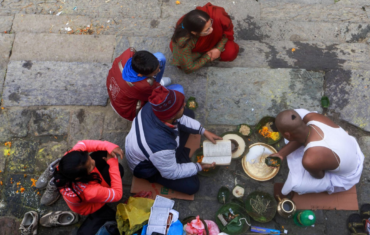
Walking through the narrow lanes toward the ghats, I sensed a remarkable blend of movement and stillness. Shopkeepers arranged flowers, priests prepared for morning rituals, and pilgrims quietly made their way to the sacred river. Every turn revealed a story hidden within ancient walls. The city did not merely welcome visitors; it invited them to become part of its enduring narrative.
Varanasi, also known as Kashi and Banaras, stands among the world’s oldest continuously inhabited cities. Situated on the western bank of the holy River Ganga in Uttar Pradesh, northern India, it holds profound spiritual significance for millions. The city has been revered for centuries as a center of learning, devotion, philosophy, and cultural exchange, drawing seekers from every corner of the globe.
Historical echoes accompany every step in Varanasi. Ancient scriptures, royal patronage, scholarly traditions, and sacred legends have all shaped its character. Numerous dynasties contributed to its growth while preserving its spiritual essence. The city’s timeless presence reflects a remarkable continuity between the ancient world and modern life, creating a living museum unlike any other destination in India.
Geographically, Varanasi enjoys a strategic location in eastern Uttar Pradesh along a crescent-shaped stretch of the Ganges. The climate remains tropical, with hot summers, pleasant winters, and a refreshing monsoon season. I found the winter months particularly inviting for exploration, when cool breezes and clear skies enhanced every experience along the riverfront and historic neighborhoods.
My mornings began at Assi Ghat, where the rising sun transformed the waters into liquid gold. Boats drifted silently across the river while birds circled overhead. The natural beauty here is subtle rather than dramatic. Instead of mountains or forests, Varanasi captivates through reflections, changing light, flowing water, and the tranquil grace of the sacred Ganga.
One of my most memorable experiences was witnessing the sunrise boat ride on the Ganges. As the city awakened, hundreds of stone ghats appeared like steps leading directly into eternity. The river mirrored temples, palaces, and centuries-old structures. Each ghat possessed its own character, creating an extraordinary panorama that blended spirituality, architecture, and everyday life.
The cultural heartbeat of Varanasi is impossible to overlook. Classical music, dance, literature, philosophy, and sacred traditions flourish here with remarkable vitality. Conversations often drift toward spirituality, poetry, and history. I encountered musicians practicing ragas before dawn and artisans preserving skills passed through generations, reflecting a culture deeply rooted in creativity and devotion.
Daily life unfolds gracefully despite the city’s bustling energy. Residents begin their mornings with prayers, tea, and community interactions. The local people impressed me with their warmth and resilience. Whether guiding visitors through winding alleys or sharing stories about neighborhood temples, they carried a natural pride in preserving the city’s unique heritage.
Among the city’s countless treasures, Kashi Vishwanath Temple remains one of the most revered spiritual landmarks. Nearby, the corridors connecting the temple to the river have enhanced accessibility while preserving traditional character. Exploring these sacred spaces offered a deeper understanding of why Varanasi continues to attract pilgrims seeking blessings, reflection, and spiritual fulfillment.
As evening approached, I joined thousands gathered for the famous Ganga Aarti at Dashashwamedh Ghat. Flames danced against the twilight sky while synchronized rituals unfolded with remarkable precision. The sound of conch shells, devotional hymns, and ringing bells created an atmosphere difficult to describe. It was not merely a ceremony but a profound expression of collective faith.
The culinary landscape of Varanasi deserves equal appreciation. I enjoyed steaming kachori sabzi for breakfast, followed by aromatic chai served in traditional clay cups. Throughout the day, local specialties such as tamatar chaat, baati chokha, malaiyyo during winter, and the legendary Banarasi paan introduced flavors that reflected the city’s vibrant personality and cultural diversity.
Reaching Varanasi has become increasingly convenient for travelers. Lal Bahadur Shastri International Airport connects the city with major Indian destinations and several international routes. Varanasi Junction and Banaras Railway Station provide excellent rail connectivity. Well-maintained highways further enhance accessibility, making travel comfortable for pilgrims, cultural enthusiasts, and leisure visitors alike.
Public transportation within the city includes auto-rickshaws, cycle-rickshaws, taxis, app-based cabs, and local buses. Walking remains the most rewarding way to discover the old city. Many hidden shrines, traditional markets, and historic courtyards reveal themselves only to those willing to wander through the maze-like lanes that define the authentic charm of Varanasi. As I departed from Varanasi, the city remained with me long after the journey ended. Beyond its temples, ghats, and sacred river, I carried memories of human connection, timeless traditions, and quiet moments beside the Ganga. Varanasi is not simply a tourist destination in Uttar Pradesh; it is an experience that gently transforms the way one sees life itself.