The first glimpse of Baidyanath Dham during the holy month of Shravan felt less like arriving at a destination and more like stepping into a living river of faith. As I entered Deoghar, the air carried chants of “Bol Bam,” and thousands of saffron-clad devotees moved with unwavering determination toward one of India’s most revered Jyotirlingas.
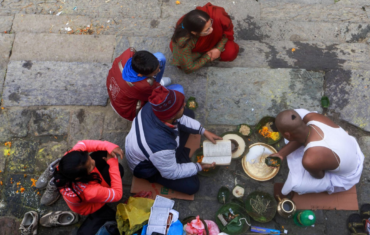
My journey began before sunrise when the streets were already awake with pilgrims arriving for Shravan month Darshan at Baidyanath Dham. The rhythmic sound of bells, devotional songs, and distant conch shells created an atmosphere unlike any other pilgrimage destination I have visited across India, Nepal, and Bhutan. Every step seemed guided by devotion.
Baidyanath Dham, located in Deoghar district of Jharkhand in eastern India, occupies a unique place in Hindu spirituality. Revered as one of the twelve Jyotirlingas of Lord Shiva, it attracts millions of devotees annually. During Shravan month, the temple becomes the center of one of the largest spiritual gatherings in the country.
The sacred tradition of Shravan Jalabhishek has continued for centuries. Pilgrims, known as Kanwariyas, collect holy water from the Ganga at Sultanganj in Bihar and carry it across nearly 105 kilometers on foot. This extraordinary journey culminates at Baidyanath Dham, where the sacred water is offered to Lord Shiva with immense reverence.
Ancient legends associated with Ravana and Lord Shiva is deeply woven into the identity of this shrine. Local priests narrated stories passed through generations, giving life to every stone and courtyard within the temple complex. Standing before the sacred sanctum sanctorum of the revered temple, I felt connected to a spiritual history that has inspired devotees for centuries.
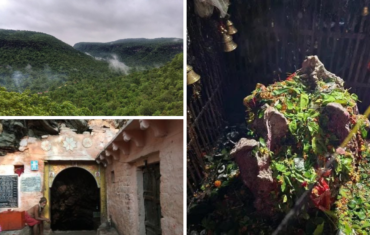
The geography of Deoghar adds to the pilgrimage experience. Surrounded by gentle hills, scattered forests, and open landscapes, the region offers a serene setting for spiritual reflection. The town sits amidst the undulating terrain of the Chotanagpur Plateau, creating picturesque views that contrast beautifully with the energy of the temple precincts.
During Shravan, the weather remains pleasantly dramatic. Frequent monsoon showers wash the streets clean while dark clouds drift across the sky. The scent of wet earth mingles with incense and flowers sold near the temple. These seasonal elements create a mystical backdrop that enhances the experience of Darshan and worship.
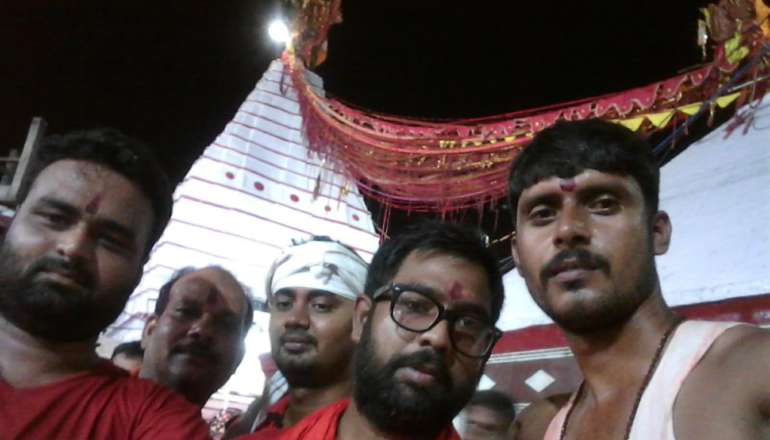
One of the most memorable sights was the endless stream of saffron-clad pilgrims moving together with remarkable discipline. Despite physical exhaustion, their faces reflected joy and purpose. Strangers shared water, encouragement, and prayers. This collective spirit transformed the pilgrimage into a celebration of unity, resilience, and devotion.
The culture of Deoghar revolves around hospitality and spirituality. Residents welcome pilgrims with genuine warmth, offering assistance, directions, and refreshments whenever needed. Throughout Shravan month, homes, shops, and community spaces participate in the festive atmosphere, reflecting the deep connection between local life and sacred tradition.
Beyond the main shrine, the temple complex itself deserves careful exploration. The towering spire, intricate architecture, and surrounding shrines dedicated to various deities create a deeply immersive spiritual environment. Every corner reveals rituals, traditions, and moments of devotion that enrich the overall pilgrimage experience.
Walking through the bustling lanes around Baidyanath Dham introduced me to local flavors and traditions. Small eateries served hot kachori, poori-sabzi, peda, and traditional sweets loved by pilgrims. Sharing simple meals among fellow travelers became an essential part of understanding the cultural heartbeat of Deoghar.
Reaching Baidyanath Dham is convenient from major cities across India. The town is connected through Deoghar Airport, railway networks, and well-maintained highways. Pilgrims traveling from Patna, Kolkata, Ranchi, Varanasi, and other important centers can easily access the destination through multiple transportation options.
Public transport facilities become especially active during the Shravan pilgrimage season. Special trains, buses, and shuttle services operate to manage the large influx of devotees. Clear signage, volunteer support, and administrative arrangements help visitors navigate the pilgrimage route efficiently while maintaining safety and comfort.
For travelers planning Shravan month Darshan and Jalabhishek at Baidyanath Dham, early preparation is essential. Comfortable footwear, rain protection, drinking water, identity documents, and advance accommodation bookings can significantly improve the journey. Arriving during less crowded hours may also help reduce waiting time for Darshan. As I departed from Deoghar, the echoes of temple bells and chants remained with me long after the journey ended. Baidyanath Dham is not merely a pilgrimage site; it is an experience that touches the soul. The sacred energy of Shravan, the devotion of countless pilgrims, and the timeless presence of Lord Shiva create memories that endure forever.