The first rain of Shravan had already painted the Kaimur hills in countless shades of green when I began my journey to Gupta Dham. The road gradually surrendered to forest tracks, and the noise of towns faded behind me. With every step, the air seemed richer with devotion, carrying the familiar chants of “Har Har Mahadev” through the valleys.
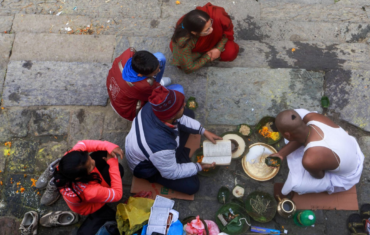
For followers of Lord Shiva, Shravan month is not merely a period on the calendar; it is a sacred season of surrender. I could feel this devotion everywhere along the route. Elderly pilgrims, young devotees, families, and wandering ascetics moved together toward the hidden shrine, united by faith and the desire to seek blessings from Lord Shiva.
The pilgrimage gains remarkable significance during Shravan because devotees believe that worship offered to Lord Shiva in this holy month brings spiritual fulfillment and inner peace. The atmosphere becomes deeply devotional as pilgrims carry sacred water, perform Jalabhishek, and undertake difficult journeys through forests and hills with unwavering determination.
Local legends surrounding Gupta Dham have survived through generations. Villagers speak of a sacred Shivling concealed within the cave long before modern roads reached the region. Listening to these stories beside village fires and roadside tea stalls made me realize that faith often preserves history more faithfully than written records ever can.
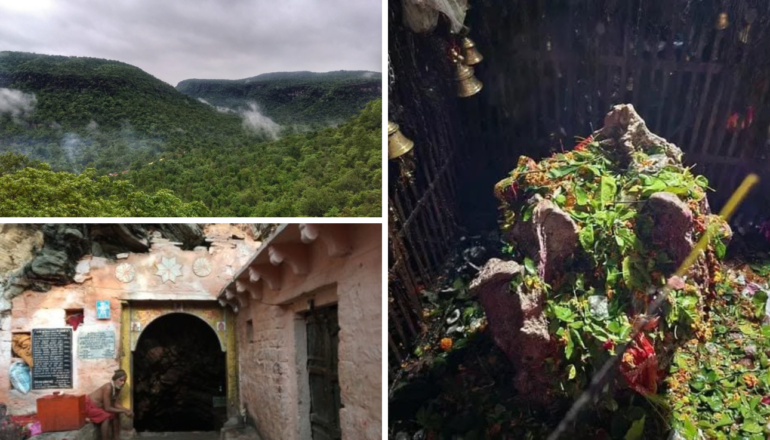
Situated in the Kaimur district of Bihar, Gupta Dham rests amidst dense forests and rugged hills that form part of the ancient Kaimur range. The shrine remains tucked away from crowded urban landscapes. Its remote setting contributes greatly to its spiritual charm, allowing visitors to experience worship in a remarkably natural environment.
During Shravan, the monsoon transforms the entire landscape into a living canvas. Gentle clouds drift across hilltops while cool winds travel through the valleys. Rainwater nourishes streams and vegetation, creating a refreshing atmosphere. The climate remains pleasant for pilgrims, though occasional showers add both challenge and beauty to the sacred journey.
The natural surroundings of Gupta Dham are among the most captivating I have witnessed in eastern India. Forest trails curve around rocky slopes, hidden streams emerge unexpectedly, and distant birdcalls accompany travelers. The hills appear almost meditative during monsoon mornings, encouraging silence and contemplation long before reaching the cave temple.
One unforgettable aspect of the pilgrimage is the collective spirit of devotion. Pilgrims encourage one another on difficult stretches, share drinking water, and exchange stories of previous visits. The journey becomes a community experience where personal prayers merge into a larger expression of faith, creating a powerful sense of belonging.
The local residents of the Kaimur region continue to live closely connected with nature. Agriculture remains an important part of daily life, and traditional customs remain deeply respected. Their simple lifestyle reflects patience and resilience. Visitors are often welcomed warmly, making the pilgrimage feel less like tourism and more like participation in local culture.
Throughout Shravan, villages surrounding Gupta Dham become vibrant centers of religious activity. Devotional songs echo through the countryside, temporary markets appear along important routes, and spiritual gatherings continue well into the evening. These traditions reveal how Shaivism continues to shape social life and cultural identity across the region.
Entering the sacred cave remains one of the most memorable moments of the journey. The cool stone chamber, illuminated by lamps and filled with incense fragrance, creates a profound spiritual atmosphere. The sacred Shivling stands as the focal point of devotion while continuous chants reverberate gently through the ancient rock formations.
Beyond worship, the surrounding region offers rewarding opportunities for exploration. Forest walks, scenic viewpoints, seasonal waterfalls, and monsoon landscapes provide memorable experiences for nature lovers. Travelers interested in photography find endless inspiration among the hills, where changing light and drifting clouds create dramatic scenes throughout the day.
Food served around the pilgrimage route reflects the authentic flavors of Bihar. After hours of walking, traditional dishes such as litti-chokha, fresh vegetables, seasonal sweets, and simple village meals become especially satisfying. The culinary experience complements the journey beautifully, connecting travelers with the region’s agricultural traditions and local hospitality.
Reaching Gupta Dham generally involves traveling to nearby towns such as Bhabhua or Sasaram, both connected through railway and road networks. From these points, local transport services help pilgrims reach the base area. The final section of the pilgrimage requires walking through forested terrain, an essential part of the overall experience. As I completed the pilgrimage and looked back toward the rain-covered Kaimur hills, I realized that Gupta Dham offers far more than a religious destination. During Shravan month, it becomes a meeting point of faith, nature, culture, and timeless Hindu traditions. The memory of those chants, forests, and sacred moments continues to accompany me long after the journey ended.