For years, a peculiar restlessness lived inside me whenever someone mentioned Bodhgaya. Friends returning from Bihar spoke in hushed, almost reverent tones about a fig tree and a golden spire that seemed to pull travelers from every corner of the earth. I had chased mountains, deserts and coastlines, yet this modest town kept tugging at my sleeve, promising something my usual adventures never offered: stillness.
Planning the trip wasn’t like organizing my usual backpacking sprints. I read old monastic accounts, spoke to a Buddhist scholar friend, and mapped train routes into Gaya. Packing felt different too, lighter clothes, a journal, comfortable walking shoes, because I sensed this journey would ask more from my mind than from my luggage, more listening than sightseeing, more sitting than sprinting between attractions.
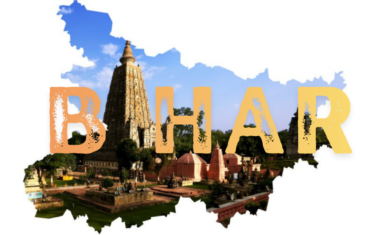
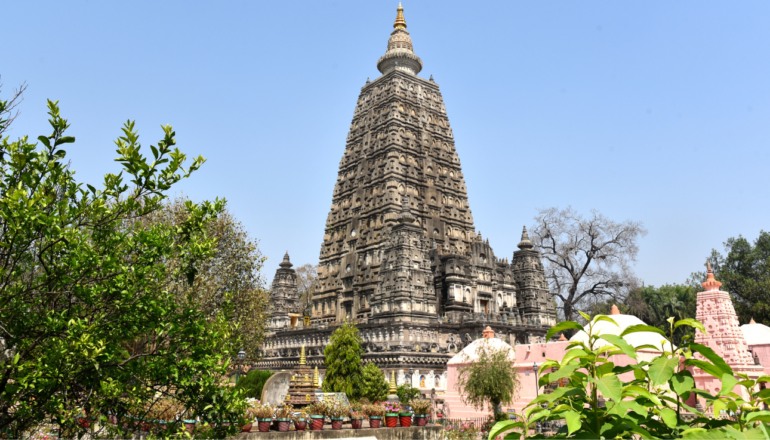
Bodhgaya sits quietly in the Gaya district of Bihar, yet within its dusty lanes rests the towering Mahabodhi Temple, a UNESCO World Heritage Site marking the exact spot where Prince Siddhartha attained enlightenment beneath the Bodhi Tree. Walking through its gates for the first time, I felt the noise of my ordinary life dissolve into something older, calmer, and strangely personal.
History clings to every brick here. Emperor Ashoka first built a shrine near the sacred tree in the third century BCE, later expanded by devoted kings and monks into the towering structure standing today. Locals told me stories passed through generations, of pilgrims walking barefoot for months just to touch the Vajrasna, the diamond throne believed to be Buddha’s actual meditation seat.
Geographically, Bodhgaya lies along the gentle banks of the Falgu River, on flat Gangetic plains blessed with fertile soil. Summers turn fierce and dry; monsoons drench the region between July and September, while winters, from November to February, remain wonderfully mild. I chose December, wrapped in a shawl, watching morning mist curl around temple spires like incense smoke.
Natural beauty here isn’t dramatic or loud; it whispers instead. The Bodhi Tree’s heart-shaped leaves rustle softly above meditating monks, while the Falgu River’s sandy stretches glow amber at sunset. Nearby, gentle countryside dotted with paddy fields and grazing cattle offers a rustic charm, reminding visitors that spirituality and simple rural life coexist effortlessly in this corner of Bihar.
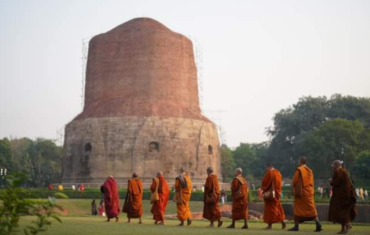
Culturally, Bodhgaya feels like a miniature world map. Monks from Thailand, Japan, Bhutan, Tibet and Sri Lanka have built monasteries reflecting their homeland’s architecture, filling streets with maroon robes, prayer flags and murmured chants. Local Bihari’s, meanwhile, live unhurried lives around this spiritual economy, running guesthouses, stalls and rickshaws, blending Buddhist reverence with their own warm, rustic Bihari hospitality effortlessly.
Exploring beyond the main temple, I wandered into the Great Buddha Statue, the Archaeological Museum, and quieter international monasteries scattered across town. Each evening, hundreds gathered beneath the Bodhi Tree lighting butter lamps, their glow reflecting off golden temple domes. Sitting among strangers became companions; I understood that experiencing Mahabodhi required calm participation rather than simply capturing its distinct, ageless magnificence.
Food here surprised me pleasantly. Simple thalis with litti chokha, a smoky mashed vegetable dish paired with roasted wheat balls, became my daily comfort meal. Monastery canteens served mild, sattvic meals reflecting Buddhist dietary discipline, while roadside stalls offered sweet Tilkut and Khaja. Every bite felt humble, honest, and deeply rooted in Bihar’s earthy culinary traditions.
Reaching Bodhgaya proved surprisingly convenient. Gaya Airport, just thirteen kilometers away, connects directly with several Indian cities and even international Buddhist circuits. Alternatively, Gaya Junction railway station links major cities like Delhi, Kolkata and Varanasi, followed by a short taxi ride. Road travelers can also drive comfortably via well-maintained highways connecting Patna and Varanasi to Bodhgaya.
Once inside town, connectivity feels refreshingly local and unhurried. Cycle rickshaws, auto-rickshaws and shared e-rickshaws crisscross narrow lanes connecting monasteries, markets and the temple complex. I preferred renting a bicycle myself, pedaling past monastery walls at dawn, stopping wherever curiosity pulled me, discovering that Bodhgaya reveals itself best through slow, unplanned, self-directed wandering rather than scheduled sightseeing tours.
Travelers should carry modest clothing respecting religious sentiments, remove footwear before entering temple premises, and avoid loud conversations near meditation zones. Carrying cash is wise, since smaller vendors rarely accept digital payments. Mosquito repellent helps during humid months, and staying hydrated matters, especially while walking long stretches between monasteries under Bihar’s occasionally unforgiving daytime sun.
Another practical tip involves timing your visit around early mornings or late evenings, avoiding peak afternoon heat and crowds. Hiring a local guide near the temple entrance enriched my understanding of hidden symbolism within carvings. Also, respecting silence around meditating monks isn’t merely courtesy, it’s an unspoken rule locals value deeply, protecting Bodhgaya’s meditative, undisturbed spiritual atmosphere. Leaving Bodhgaya, I carried back no souvenirs, only an unexpected quietness settled somewhere within my chest. Mahabodhi Temple doesn’t merely showcase history or architecture; it gently recalibrates whoever walks through its gates. If wanderlust ever brings you toward Bihar’s dusty plains, let this sacred town teach you what stillness actually feels like.