The idea of visiting Patna had been resting quietly in my mind for years. While planning my journey across eastern India, I realized that Bihar’s capital deserved more than a brief stopover. I wanted to experience the city beyond guidebooks, so I packed lightly, booked a train ticket, and prepared myself for a slow exploration through its streets, markets, and riverbanks.
My train arrived early in the morning. The station was already alive with movement. Tea sellers announced their presence with cheerful voices, passengers hurried toward exits, and the aroma of fresh snacks drifted through the air. Standing outside Patna Junction, I felt the excitement that accompanies every meaningful journey into a city rich with stories and traditions.
Patna, the capital of Bihar, occupies a significant place in the history of eastern India. Located along the southern bank of the sacred Ganga River, it has served as a center of administration, learning, trade, and culture for centuries. Even before beginning my exploration, I sensed that this city possessed a personality shaped by both antiquity and progress.
Instead of hiring a private vehicle, I boarded a shared auto-rickshaw. The ride introduced me to the city’s rhythm. Busy intersections, roadside tea stalls, educational institutions, government offices, and old neighborhoods passed by one after another. Fellow passengers willingly shared local information, making my first journey through Patna feel more like a conversation than transportation.
During a stop near an old marketplace, I met a retired teacher who spoke proudly about Patna’s glorious past. He explained how the city was once known as Pataliputra, the capital of the Mauryan Empire. Listening to him while watching daily life unfold nearby created a fascinating contrast between the grandeur of history and modern urban existence.
The more I explored, the more I discovered traces of ancient civilization hidden among contemporary structures. Stories of Emperor Ashoka, Chanakya, and scholars who influenced the course of Indian history seemed deeply connected to the land beneath my feet. Patna tourism is not simply about monuments; it is about understanding the roots of Indian civilization.
Geographically, Patna enjoys a unique location beside the mighty Ganga. The river has shaped the city’s development for generations. My visit took place during winter when the climate remained pleasant and inviting. Cool mornings, comfortable afternoons, and gentle evenings allowed me to spend long hours walking through different neighborhoods without fatigue.
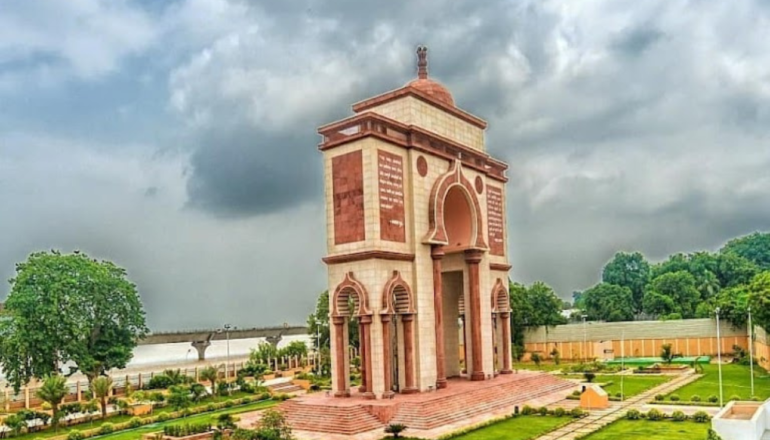
One evening, I reached the riverfront just before sunset. The Ganga stretched endlessly across the horizon, reflecting golden light across its calm surface. Boats drifted slowly while devotees offered prayers at the ghats. The natural beauty of Patna may appear subtle at first glance, but it gradually reveals itself through moments of remarkable tranquility.
As I wandered deeper into residential areas, I noticed how culture thrives naturally within everyday life. Families gathered outside their homes, neighbors exchanged greetings, and children played in open spaces. The warmth of local residents made every interaction memorable. Hospitality here felt genuine, emerging from tradition rather than formality.
Patna’s lifestyle reflects a harmonious balance between heritage and ambition. Students travel across India to study in the city, while entrepreneurs, professionals, and traders contribute to its growing economy. Yet traditional values remain deeply respected. Conversations often move effortlessly between modern aspirations and historical pride, creating a unique social atmosphere.
Exploring the city’s landmarks added new dimensions to my journey. Golghar offered panoramic views of the Ganga and surrounding neighborhoods. Bihar Museum provided valuable insights into regional heritage, while Takht Sri Patna Sahib introduced me to the city’s spiritual significance. Each attraction revealed another layer of Patna’s multifaceted identity.
No travel experience in Bihar is complete without tasting its authentic cuisine. Following recommendations from local residents, I enjoyed freshly prepared Litti Chokha, Sattu Paratha, Khaja, and traditional sweets. The flavors were simple yet deeply satisfying. Every meal reflected generations of culinary knowledge preserved through family kitchens and local food traditions.
Reaching Patna is remarkably convenient for travelers. Jay Prakash Narayan International Airport connects the city with major destinations across India. Patna Junction serves as an important railway hub, while extensive road networks provide excellent access from neighboring states. Patna’s status as a major entry point for travel to Bihar has been reinforced by these transportation connections.
For exploring the city itself, local transport options are plentiful. Auto-rickshaws, e-rickshaws, shared tempos, app-based taxis, and city buses connect almost every major area. I personally preferred auto-rickshaws and e-rickshaws because they allowed me to observe daily life closely. They also made it easier to reach markets, monuments, and cultural landmarks efficiently. As my journey came to an end, I sat quietly beside the Ganga reflecting on the experiences of the previous days. Patna had revealed itself through stories, conversations, history, food, faith, and human warmth. More than a destination, it felt like a living narrative connecting ancient India with the present. For travelers seeking authenticity, culture, and heritage, Patna remains one of the most rewarding places to explore in eastern India.