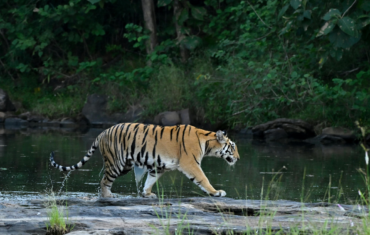
Some destinations arrive as recommendations, others as postcards, but Valmiki Tiger Reserve found me through a passing remark from a fellow trekker at a Darjeeling homestay, who spoke of tigers roaming beneath the Someshwar hills near the Nepal border. That one sentence stayed lodged in my mind for months, quietly nudging me towards Bihar, a state rarely mentioned in wildlife circles, until curiosity finally overpowered hesitation and I began mapping a route towards this obscure, almost secretive sanctuary.
Planning this trip meant unlearning assumptions, since most guidebooks skip Bihar entirely when discussing tiger territory, favoring Madhya Pradesh or Uttarakhand instead. I spent weeks piecing together forum posts, forest department circulars, and grainy photographs shared by local guides on social pages. Slowly, a picture emerged of a reserve straddling international boundaries, wrapped in Himalayan foothills, holding stories older than most protected forests in the country.
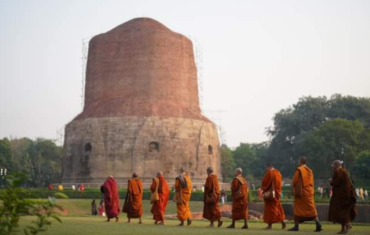
Valmiki Tiger Reserve sits tucked into West Champaran district, hugging the Indo-Nepal frontier, and remains Bihar’s only tiger reserve, spread across roughly nine hundred square kilometers of sal forests, grasslands, and river valleys. Named after sage Valmiki, believed to have composed the Ramayana within these very woods, the reserve carries a mythological weight that most sanctuaries simply cannot claim, blending scripture with genuine, breathing wilderness.
Historically, this land served as royal hunting grounds under the Bettiah Raj estate before conservation sensibilities took hold in the twentieth century. Declared a wildlife sanctuary in 1978 and elevated to Project Tiger status in 1990, the forest transitioned from a playground of maharajas into a sanctuary of scientific importance, now forming a vital corridor connecting Nepal’s Chitwan National Park with India’s northern forest belt.
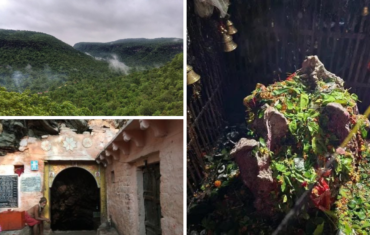
Geographically, the terrain rises gently from the Gangetic plains into the Someshwar and Dun ranges, creating varied elevation zones within a single reserve, quite unusual for eastern India. Summers turn intensely warm, monsoons flood the Gandak river tributaries generously, and winters between November and February bring crisp, foggy mornings, making this the most rewarding season for spotting movement across the misty grasslands.
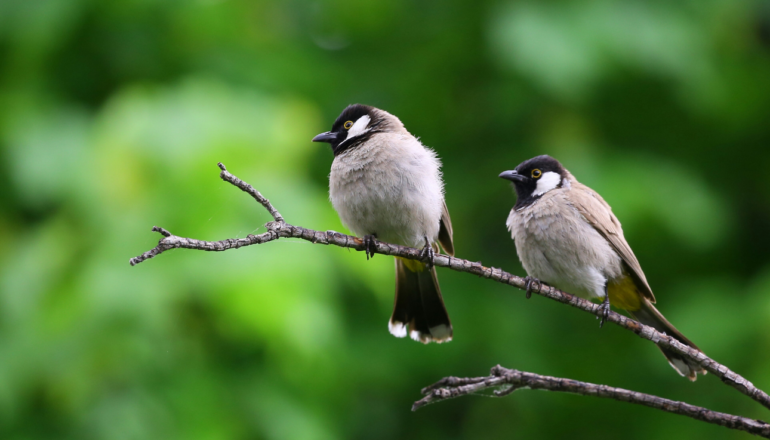
Natural beauty here unfolds gradually rather than dramatically, revealing itself through swaying sal canopies, sun-dappled riverbeds, and grasslands where spotted deer graze unhurried. Beyond tigers, the reserve shelters leopards, gaurs, sloth bears, and over two hundred bird species, while the Gandak river carves through the landscape, feeding wetlands that host migratory waterfowl during winter, painting an entirely different palette each season.
Culturally, the surrounding villages belong largely to Tharu communities, indigenous forest dwellers whose lifestyle remains deeply entwined with agricultural rhythms and ancestral customs. Their bamboo-thatched homes, folk deities, and communal festivals like Maghi reflect centuries of coexistence with the jungle, offering visitors glimpses into a lifestyle unaffected by urban rush, where forest and family remain inseparable concepts.
Wandering through Madanpur and Gobardhana villages, I shared meals with Tharu families who insisted their traditional litti sattu tasted incomplete without homemade mustard oil chutney. Evenings brought folk songs accompanied by dholak beats, while elders narrated forest legends passed orally across generations, reminding me that authentic travel experiences often emerge not from monuments but from unscripted, generous human conversations.
The local cuisine is rustic in nature, with seasonal vegetables, Gandak fish, and the staple litti chokha cooked over open flames. Sattu-based dishes dominate daily meals, reflecting Bihar’s agrarian heritage, while jaggery-sweetened treats appear during festivals. Every meal felt unpretentious yet deeply satisfying, cooked with ingredients sourced from surrounding fields rather than distant markets.
Reaching Valmiki Tiger Reserve requires patience, since the nearest railway station, Bagaha, connects through Patna and Gorakhpur with moderate frequency. Patna, roughly two hundred kilometers away, offers the closest major airport, followed by road travel through Bettiah town. Alternatively, travellers approaching from Nepal can enter via Sonauli, making this reserve genuinely accessible from both Indian and Nepalese sides.
Local connectivity remains refreshingly uncomplicated once inside the region, with shared jeeps and auto-rickshaws linking Bagaha, Bettiah, and forest checkpoints efficiently. Within the reserve, forest department vehicles handle safari routes exclusively, while cycle-rickshaws serve village hopping comfortably. Public buses connect nearby towns reasonably well, though early morning departures ensure smoother travel before daytime heat intensifies considerably across open highways.
Travelling through unfamiliar forested terrain demands certain precautions, particularly regarding safari bookings, which fill quickly during peak winter months, so advance reservations through forest department offices prove essential. Carrying cash remains wise, since digital payment infrastructure stays limited near village markets. Mosquito repellents, sturdy footwear, and modest clothing respecting local sensibilities enhance comfort throughout the exploration considerably.
Additionally, hiring certified local guides transforms the experience entirely, since their tracking knowledge exceeds any guidebook description available online. Avoid loud conversations during safaris, as sudden noises disturb wildlife movement patterns significantly. Respecting Tharu community spaces, seeking permission before photographing individuals, and disposing waste responsibly ensures tourism remains sustainable for both forest ecology and resident communities long-term. Leaving Valmiki Tiger Reserve felt strangely unresolved, as though the forest deliberately withheld its final secret for a future visit. Between mythological roots, Tharu warmth, and untamed riverine wilderness, this reserve quietly challenges Bihar’s overlooked reputation in India’s wildlife narrative. For travellers seeking authenticity over spectacle, this eastern sanctuary rewards patience with memories far richer than expectation.