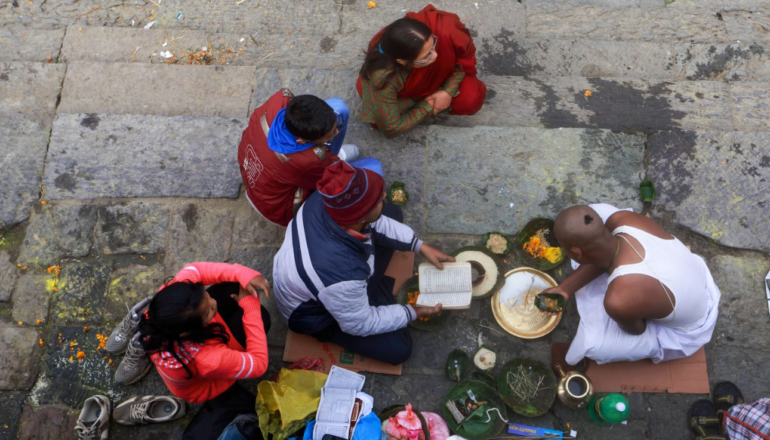
There are places we visit to admire their beauty, and there are places we visit to understand ourselves. Gayaji belongs to the latter. During Pitri paksha, this sacred land of Bihar welcomes thousands who arrive carrying prayers, memories, and gratitude for their ancestors. Pind Daan at Gayaji is more than a ritual; it is an emotional bridge between generations, preserving an ancient tradition with profound spiritual significance.
As the first rays of sunlight touch the sacred Falgu River, one witnesses a remarkable sight. Families from India and abroad gather with folded hands, offering Pind Daan for the peace and liberation of departed souls. According to ancient Hindu traditions, Gayaji is regarded as the most sacred destination for ancestral offerings. The spiritual atmosphere gently embraces every pilgrim who arrives here with faith and devotion.
The sacred observance of Pitri paksha usually falls during the Hindu lunar month of Ashwin, corresponding to September or October. For sixteen auspicious days, Gayaji transforms into a spiritual confluence where countless rituals are performed with utmost reverence. Pilgrims consider this period exceptionally significant for performing Shraddha and Pind Daan, believing that ancestral blessings illuminate the path of prosperity, harmony, and spiritual fulfillment.
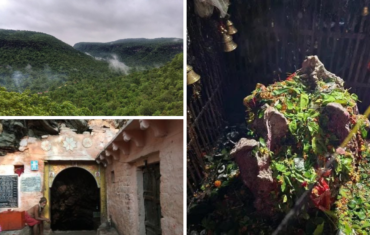
Situated in the eastern Indian state of Bihar, Gayaji rests gracefully on the banks of the Falgu River. The city is surrounded by gentle hills and sacred sites that have shaped its spiritual identity for centuries. During Pitri paksha, the weather remains pleasantly moderate, making pilgrimage comfortable. Early mornings are cool and refreshing, while the evenings offer an inviting atmosphere for prayers, reflection, and quiet spiritual contemplation.
The story of Gayaji reaches deep into India’s sacred heritage. Ancient scriptures narrate that the benevolent demon king Gayasur performed intense penance here, compelling the gods themselves to seek divine intervention. Lord Vishnu is believed to have placed His sacred footprint upon Gayasur, granting him immortality through service to humanity. Since then, Gayaji has remained synonymous with ancestral salvation and timeless spiritual devotion across generations.
Beyond its religious prominence, Gayaji possesses a serene natural charm that quietly captivates visitors. The golden hues of sunrise over the Falgu River, the distant silhouette of sacred hills, and the rhythmic chants resonating through temple corridors create unforgettable moments. Nature and spirituality exist harmoniously here, reminding every traveler that sacred landscapes often nurture both the soul and the senses with equal grace.
Life in Gayaji beautifully reflects the enduring values of simplicity, hospitality, and faith. Residents warmly welcome pilgrims irrespective of language, nationality, or cultural background. During Pitri paksha, the city comes alive with devotional activities while preserving remarkable discipline and harmony. Local families actively participate in assisting visitors, embodying the timeless Indian philosophy that guests deserve heartfelt respect and compassionate care throughout their sacred journey.
The cultural traditions of Gayaji are deeply woven into its spiritual fabric. Ancient Vedic chants performed by learned priests accompany the sacred rituals, creating an atmosphere of profound reverence. Pilgrims witness customs that have survived uninterrupted for centuries. The gentle ringing of temple bells, traditional attire, and devotional gatherings offer meaningful insights into Bihar’s rich spiritual and cultural heritage during this sacred season.
No visit to Gayaji remains complete without exploring its revered spiritual landmarks. The sacred Vishnupad Temple, the tranquil Falgu River ghats, Akshayavat, Pretshila, Ramshila, and Brahmayoni Hill collectively narrate stories preserved through millennia. Each destination possesses unique ritualistic importance, offering pilgrims opportunities for spiritual reflection, cultural discovery, and a deeper understanding of India’s extraordinary ancestral traditions and sacred geography.
The culinary traditions of Gayaji provide delightful experiences after moments of prayer and pilgrimage. Visitors may relish authentic Bihari delicacies including Litti Chokha, Khaja, Tilkut, Thekua, and traditional sweets lovingly prepared by local artisans. Seasonal offerings served during festivals further enrich the experience. Exploring local markets introduces travelers to handcrafted souvenirs and age-old culinary practices passed lovingly through generations of residents.
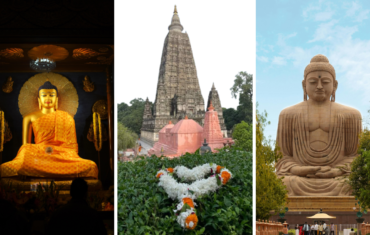
Reaching Gayaji is remarkably convenient for domestic and international travelers. Gaya enjoys excellent connectivity through rail, road, and air transportation. The city is served by an international airport welcoming pilgrims from several countries, particularly Buddhist nations. Regular trains connect Gaya with major Indian cities, while comfortable road networks ensure seamless accessibility throughout Bihar and neighboring states for spiritual seekers and curious travelers alike.
Pilgrims visiting during Pitri paksha should preferably arrange accommodations well in advance due to significant visitor arrivals. Carrying comfortable clothing, maintaining respectful conduct at sacred sites, and engaging authorized priests for rituals are highly advisable. Early morning visits offer peaceful experiences at major pilgrimage destinations. Remaining hydrated and planning local transportation beforehand contributes greatly to a spiritually enriching and comfortable pilgrimage through Gayaji. Gayaji leaves an enduring impression that transcends ordinary travel memories. It teaches that journeys are not always measured in miles but in emotions lovingly preserved across generations. Performing Pind Daan during Pitri paksha becomes an expression of gratitude, remembrance, and spiritual continuity. When one departs from this sacred city, they carry not merely blessings but a profound understanding of life’s timeless and beautiful interconnectedness.