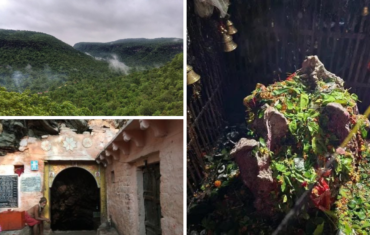
The first glimpse of Spiti feels like stepping into a forgotten world where silence carries its own melody. Tucked high in the Himalayas of Himachal Pradesh in the northern part of India, Spiti welcomes travelers with dramatic landscapes, ancient monasteries, crystal-clear skies, and a timeless rhythm of life. Every journey here unfolds as an unforgettable experience beyond ordinary tourism.
The importance of Spiti lies not only in its breathtaking scenery but also in its remarkable spiritual and ecological significance. The valley has preserved centuries-old Buddhist traditions while protecting one of India’s most fragile mountain ecosystems. Travelers seeking peace, cultural depth, adventure, and authentic Himalayan experiences often discover that Spiti leaves lasting memories long after the journey ends.
The best time to visit Spiti depends on the experience you seek. From May to October, the roads remain open, villages come alive, and pleasant weather makes sightseeing comfortable. During winter, heavy snowfall transforms the valley into a spectacular white wilderness, attracting adventure lovers willing to embrace challenging conditions and extraordinary Himalayan solitude.
Located in the cold desert region of Himachal Pradesh, Spiti sits at elevations ranging between 10,000 and over 15,000 feet above sea level. The valley remains surrounded by towering Himalayan peaks that shield it from heavy monsoon rains. Bright sunshine, crisp mountain air, freezing winters, cool summers, and clear blue skies create an unforgettable high-altitude environment.
The history of Spiti stretches back over a thousand years, shaped by Buddhism, ancient Himalayan kingdoms, and traditional trade routes connecting India with Tibet. Magnificent monasteries, old fortresses, and remote settlements continue preserving stories of monks, traders, scholars, and local communities whose resilience helped sustain civilization in one of the world’s harshest inhabited regions.
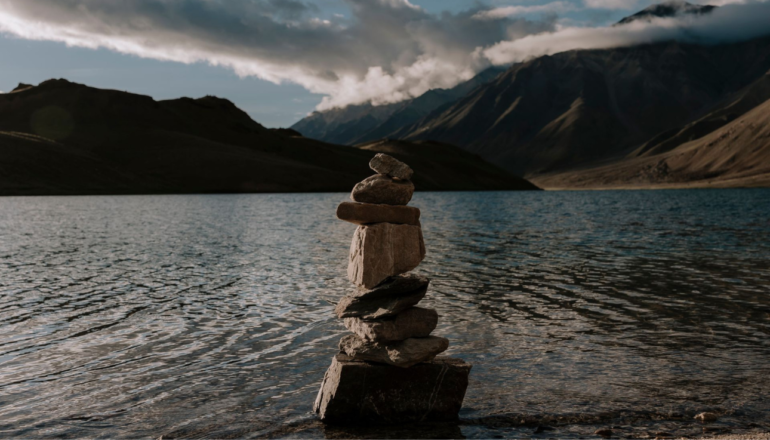
Nature reveals its finest artistry throughout Spiti. Rugged mountains painted in shades of brown, gold, and grey stand beside emerald rivers, shimmering glaciers, alpine meadows, and dramatic valleys sculpted by time. Every sunrise paints fresh colors across the landscape, while every sunset creates magical silhouettes, offering photographers and nature lover’s endless moments of inspiration.
The cultural identity of Spiti reflects deep Buddhist values blended with centuries of mountain traditions. Prayer flags flutter gracefully across villages, ancient monasteries echo with peaceful chants, and colorful festivals celebrate harmony, gratitude, and community spirit. Visitors quickly notice how faith naturally guides everyday life, creating an atmosphere of remarkable serenity and heartfelt hospitality.
Life in Spiti follows nature’s rhythm rather than the modern world’s constant rush. Residents cultivate barley, peas, and potatoes during the brief summer while preparing carefully for long winters. Families remain closely connected, neighbors support one another generously, and traditional architecture built from mud and stone demonstrates remarkable adaptation to the valley’s demanding climate.
Exploring Spiti offers countless unforgettable experiences beyond scenic beauty. Ancient monasteries, remote villages, fossil-rich landscapes, high-altitude lakes, suspension bridges, hidden trails, and panoramic viewpoints reveal different facets of this remarkable destination. Stargazing beneath remarkably clear skies, interacting with local monks, and witnessing traditional ceremonies allow travelers to experience the valley’s profound spiritual character.
The local cuisine reflects simplicity, nourishment, and adaptation to mountain living. Steaming bowls of Thukpa, comforting Momos, roasted barley flour known as Tsampa, butter tea, locally prepared breads, and wholesome vegetable dishes provide warmth and energy. Sharing homemade meals with welcoming families often becomes one of the most cherished memories of a Spiti journey.
Reaching Spiti has become increasingly convenient for determined travelers. The valley can be accessed through Shimla via Kinnaur or through Manali during the summer months. Regular buses, shared taxis, private vehicles, and organized tours connect major towns with Spiti. The nearest airports are at Bhuntar and Chandigarh, while railway connectivity extends to Kalka before continuing by road.
Careful preparation makes every Spiti adventure safer and more enjoyable. Spend adequate time acclimatizing to the altitude, remain well hydrated, carry warm layered clothing, keep essential medicines, and respect local customs. Driving cautiously on mountain roads, avoiding unnecessary physical exertion during the initial days, and minimizing plastic waste help protect both personal health and the fragile Himalayan environment. Spiti is far more than a destination; it is an emotional journey through silence, spirituality, resilience, and extraordinary natural beauty. Every winding road, monastery, mountain village, and smiling face leaves an enduring impression. Those who travel to Spiti in Himachal Pradesh rarely return with only photographs—they carry home renewed perspectives, peaceful memories, and an irresistible desire to visit again.