Years before I ever booked a ticket, Bihar sat quietly at the back of my mind as a name pulled straight from a school textbook — Nalanda, Ashoka, a tree under which someone once found enlightenment. I kept wondering how a state holding so much of India’s ancient memory had slipped so far from everyday travel conversation. That question refused to fade, and one restless evening I finally opened my laptop and started planning.
Planning turned messier than expected, mostly because Bihar rarely appears on the usual travel blogs people share. I called a college friend settled in Patna, who laughed at my excitement and promised to be my local guide for two days. Between train bookings, a rough map of temples and ruins, and his warnings about the June heat, my itinerary for this Bihar travel guide slowly took shape over three sleepless nights.
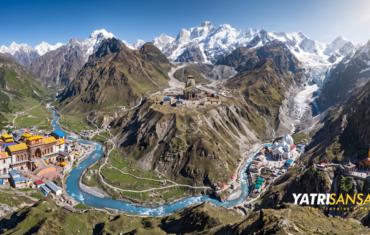
Bihar is in eastern India, cradled by the Ganges River as it flows unhurriedly across rich plains toward Bengal. Patna, its capital, is one of the oldest continuously inhabited cities anywhere on earth, older than most empires that came after it. Long before Delhi or Mumbai existed as we know them, this land was already writing the rules of governance, trade, and thought for the subcontinent.
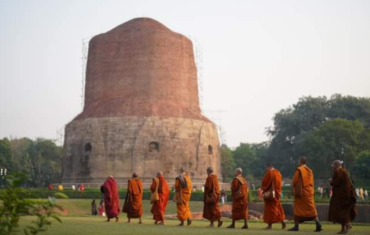
History here does not sit politely in museums; it is filled into the streets. This was the heart of the Magadha Empire, home to Chandragupta Maurya and later his grandson Ashoka, whose edicts still stand carved in stone. Nalanda University once drew scholars from Korea, China, and Persia, centuries before universities existed in Europe. Walking its brick ruins, I felt oddly small standing where thousands once studied logic and medicine.
Geographically, Bihar stretches across the Gangetic plain, bordered by Nepal to the north and Jharkhand to the south. Summers arrive fierce and dry, monsoons drench the paddy fields between June and September, and winters turn surprisingly cold and foggy by December. Locals plan travel around these shifts, and so should any visitor, since comfort here depends entirely on choosing the right season.
Natural beauty in Bihar rarely gets its due credit. The Valmiki Tiger Reserve hugs the Nepal border with dense sal forests and quiet river valleys rarely crowded by tourists. Rajgir’s hot springs sit tucked between five hills once walked by the Buddha himself, and the flat farmlands surrounding smaller towns turn a startling green after the rains, dotted with ponds, egrets, and slow bullock carts.
What struck me most, though, was the rhythm of daily life. Joint families still gather around single kitchens, folk songs drift from wedding processions late into the night, and Chhath Puja transforms entire riverbanks into a sea of devotion each autumn. Strangers invited me for tea within minutes of conversation, and that unguarded warmth of Bihar’s culture stayed with me longer than any monument did.
For Hindu pilgrims, Gaya remains central, its Vishnupad Temple drawing thousands each year for Pitru Paksha rituals honoring ancestors. Standing beside the Falgu River at dawn, watching priests chant beside families performing centuries-old rites, I understood why this small city carries such spiritual weight across Hindu tradition, quietly rivaling far more famous pilgrimage towns elsewhere in the country.
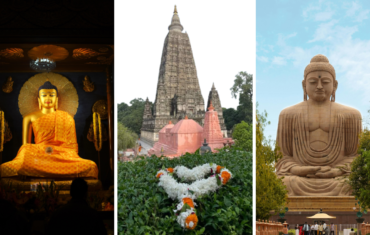
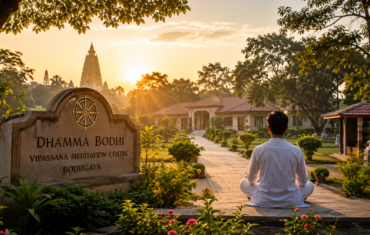
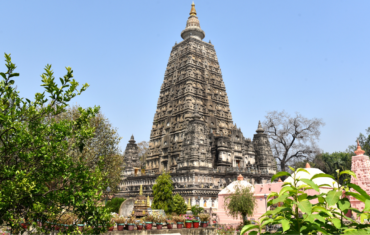
Buddhism, however, is where Bihar truly commands global attention. Bodh Gaya’s Mahabodhi Temple marks the exact spot of enlightenment, and monks from Thailand, Japan, and Tibet now pray together beneath its descendant Bodhi tree. Add Nalanda’s ruins and the quiet stupas of Rajgir, and this single state becomes arguably the most important pilgrimage circuit for Buddhists anywhere outside Tibet or Southeast Asia.
Jainism and Sikhism find equally deep roots here too. Vaishali, an ancient republic predating Athenian democracy by centuries, is honored as the birthplace of Lord Mahavira, while nearby Pawapuri holds the marble Jal Mandir marking his final rest. Patna Sahib Gurudwara, meanwhile, marks the birthplace of Guru Gobind Singh, drawing Sikh pilgrims from across the globe each year.
No Bihar travel guide feels complete without its food, and I quickly understood why. Litti chokha, smoky roasted wheat balls stuffed with sattu and dipped in ghee, became my daily obsession, alongside Thekua sweets and tangy chana ghugni sold on every street corner. Bhagalpur’s silk markets and Madhubani’s hand-painted textiles gave me souvenirs no factory-made trinket could ever replicate.
Reaching Bihar has grown remarkably simple. Patna’s Jay Prakash Narayan International Airport connects directly to major Indian cities, while Patna Junction and Gaya Junction sit on major national railway lines linking the region to Delhi, Kolkata, and Mumbai. National highways also connect Bihar smoothly with Nepal and neighboring states, making road trips an increasingly popular option for regional travellers exploring places to visit in Bihar.
Once inside the state, I was amazed by how easily accessible local transport was. Shared auto-rickshaws and buzzing e-rickshaws provide short city trips for a few rupees, while interstate buses and frequent local trains effectively connect Patna, Gaya, Rajgir, and Nalanda. Hiring a car with driver for a day trip circuit remains the most comfortable choice for pilgrims and history lovers covering multiple ancient sites together.
A few honest travel tips before you go: carry sufficient cash, since smaller towns often lack functioning ATMs or card facilities. Dress modestly near temples and Gurudwaras, avoid travelling during peak Chhath Puja rush unless you have confirmed bookings, and always negotiate auto fares beforehand. Bottled water and light cotton clothing become essential companions if you’re visiting between March and June. By the time my train pulled out of Patna Junction, Bihar had quietly rewritten everything I thought I knew about the region. It offered no polished tourist brochures, only raw, living history mixed generously with genuine human warmth. If you’re searching for a journey that teaches rather than merely entertains, this eastern Indian state deserves a place on your travel list far sooner than later.