My journey to Bodhgaya began on a misty winter morning when the plains of Bihar were slowly waking beneath a golden sky. Having traveled extensively across India, Nepal, and Bhutan, I expected another beautiful destination. Instead, I discovered a place that felt profoundly different. Bodhgaya welcomed me not with grand spectacles but with an extraordinary sense of calm that quietly settled into my thoughts.
As I entered the Bodhgaya, I witnessed pilgrims from many countries wandering with prayer beads and tranquil attitudes. Their presence created a unique atmosphere unlike any other destination I had visited. The streets carried conversations in different languages, yet everyone seemed connected by a shared purpose. Bodhgaya felt less like a tourist destination and more like a meeting place for seekers of wisdom.
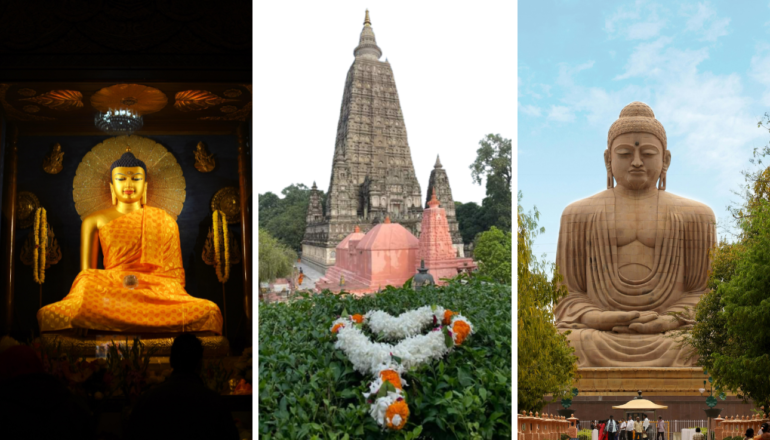
The name Bodhgaya immediately evokes the story of Gautama Buddha attaining enlightenment beneath the sacred Bodhi Tree. Standing near that revered spot, I understood why this destination remains the most important Buddhist pilgrimage site in the world. Visitors arrive here throughout the year to meditate, pray, and experience the spiritual energy that has inspired countless generations for centuries.
Located in the Gaya district of Bihar in eastern India, Bodhgaya rests near the banks of the Phalgu River. The surrounding landscape is simple yet charming, defined by open fields, scattered trees, and peaceful rural settlements. This setting creates a refreshing contrast to India’s crowded metropolitan centers and allows travelers to experience a slower and more meaningful rhythm of life.
The best time to visit Bodhgaya is from October to March, when the weather is pleasant and comfortable. During my visit, cool mornings blended beautifully with warm afternoons. Winter sunlight illuminated temple spires and monastery courtyards, creating scenes that seemed almost timeless. The climate encourages long walks, meditation sessions, and unhurried exploration of the town’s spiritual treasures.
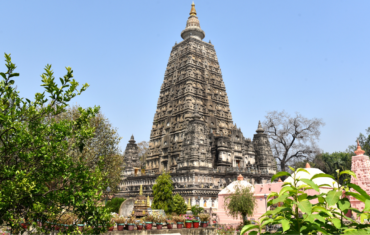
At the heart of Bodhgaya stands the magnificent Mahabodhi Temple, a UNESCO World Heritage Site and one of the most sacred Buddhist monuments on earth. The temple’s soaring structure dominates the skyline while its intricate carvings reveal remarkable craftsmanship. Watching monks chant prayers within the complex created one of the most memorable experiences of my entire journey.
The sacred Bodhi Tree remains the essence of Bodhgaya. Sitting beneath its branches, I watched pilgrims meditate silently while others circled the tree in prayer. Gentle winds moved through the leaves, producing a soothing sound that seemed almost musical. Whether religious or not, every visitor appears touched by the remarkable serenity that surrounds this sacred space.
One of Bodhgaya’s most fascinating qualities is its international character. Monasteries representing Thailand, Bhutan, Japan, Myanmar, Tibet, Sri Lanka, Vietnam, and Nepal stand throughout the town. Exploring these monasteries felt like traveling across Asia within a single day. Each reflects unique architectural traditions while honoring the universal teachings of Buddhism and compassion.
The natural beauty of Bodhgaya reveals itself quietly rather than dramatically. Morning mist drifts across temple grounds, birds gather among ancient trees, and sunsets paint the sky in soft shades of orange and gold. These subtle details contribute significantly to the destination’s appeal. Nature and spirituality exist together here in perfect harmony and balance.
The local residents of Bodhgaya lead simple and hardworking lives. Shopkeepers, guides, drivers, and small business owners interact warmly with visitors from around the world. Despite increasing tourism, the town has preserved its authenticity. Conversations with local people often reveal fascinating insights into regional traditions, festivals, and the deep spiritual heritage of Bihar.
Walking through local markets offered another rewarding experience. Prayer flags, handcrafted souvenirs, Buddhist statues, books, and traditional artwork were on display in the little shops.
Vendors greeted visitors with genuine hospitality rather than aggressive sales tactics. The relaxed atmosphere encouraged leisurely exploration and meaningful interactions, allowing travelers to connect more deeply with the local culture and community.
Food in Bodhgaya reflects both local traditions and international influences. I enjoyed authentic Bihari dishes including litti chokha, sattu preparations, and seasonal vegetable curries. Nearby restaurants also served Tibetan, Thai, and other Asian cuisines catering to international pilgrims. The culinary diversity mirrors the multicultural character of the town and adds another enjoyable dimension to the journey.
Reaching Bodhgaya is straightforward for travelers from India and abroad. Gaya International Airport connects the region with important destinations, while Gaya Junction Railway Station provides convenient rail access from major cities. Good road networks further improve connectivity. Whether arriving by air, train, or road, visitors can reach this sacred destination with relative ease.
Local transportation is simple and affordable. Auto-rickshaws, taxis, cycle-rickshaws, and shared vehicles operate throughout the town. Walking is a great choice because many significant sights are close to one another. Exploring on foot allows travelers to notice details often missed while driving and helps them absorb the peaceful atmosphere more completely. As I left Bodhgaya, the evening chants from distant monasteries echoed softly through the fading light. The journey had given me far more than photographs and memories. It offered moments of reflection, understanding, and inner stillness that remain with me today. Bodhgaya is not merely a destination in Bihar; it is a timeless experience that continues to illuminate every traveler fortunate enough to walk its sacred paths.