Something about Betla had been sitting quietly in my mind since childhood, ever since an uncle who worked in forestry mentioned a jungle in Jharkhand where tigers still roamed free among ancient sal trees. Years passed, yet that image never faded. When restlessness for untouched wilderness finally overpowered my routine city life, I packed a modest bag and decided this forgotten forest deserved my footsteps.
Planning the trip meant untangling scattered information, since Betla isn’t as commercially promoted as other reserves. I mapped my route through Ranchi, spoke to a few local guides over calls, and booked a modest forest lodge. Excitement mixed with uncertainty, the kind every genuine traveler recognizes, pushed me forward toward Palamu district, deep in the eastern folds of Jharkhand.
Betla Tiger Reserve sits within the larger Palamu Tiger Reserve, one of India’s earliest Project Tiger reserves established in 1973. Nestled amid the Chotanagpur plateau, this forest stretches across Latehar and Garhwa regions, offering a rare wilderness experience away from crowded tourist circuits, where nature still dictates its own unhurried rhythm daily.
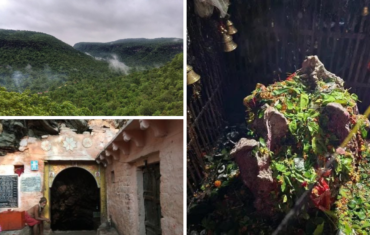
History here breathes through crumbling stone walls. The Chero dynasty once ruled this land, leaving behind the haunting Palamu Fort ruins hidden inside dense forest cover. Later, British foresters recognized its ecological value, shaping conservation policies that eventually protected this wilderness, making Betla a living museum where royal legacy and colonial forestry intertwine silently among ancient trees.
Geographically, Betla lies at moderate elevation within the Chotanagpur plateau, blessed with rivers like Koel and Auranga flowing through its terrain. Summers turn intensely warm, monsoons drench the forest into lush green, while winters bring pleasant coolness perfect for wildlife spotting. This climatic variation shapes an ecosystem thriving with remarkable biodiversity throughout changing seasons.
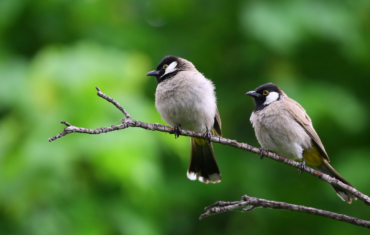
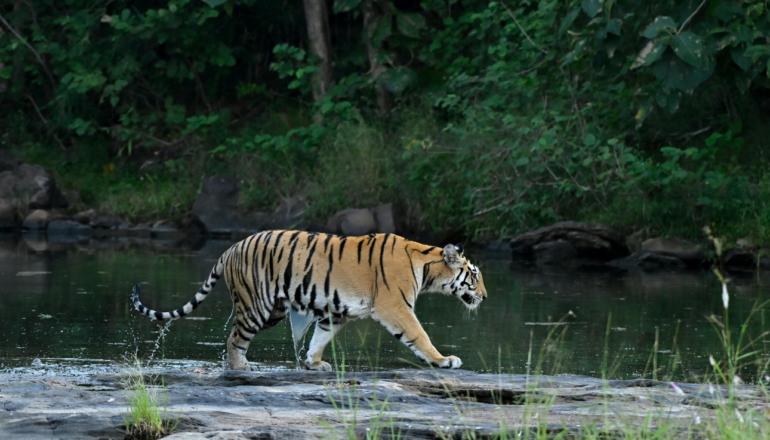
Natural beauty unfolds gradually here, not through dramatic postcard views but through quiet moments—a herd of elephants crossing a stream, spotted deer grazing near grasslands, peacocks calling at dusk. Sal and bamboo forests dominate the landscape, sheltering tigers, leopards, and countless bird species, creating an authentic wilderness experience far removed from artificial tourist arrangements elsewhere.
The tribal communities surrounding Betla, mainly Oraon, Munda, and Kharwar groups, maintain lifestyles deeply connected with forest rhythms. Their homes, simple mud structures adorned with tribal art, reflect generations of coexistence with nature. Conversations with villagers revealed folklore about forest spirits, traditional farming practices, and community bonds that outsiders rarely witness beyond fleeting tourist interactions.
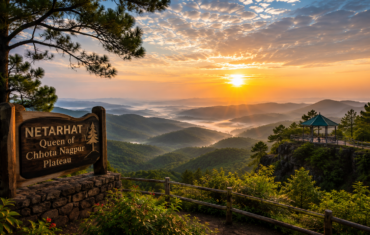
Exploring Betla means embracing jungle safaris, watchtower observations, and visits to Palamu Fort’s twin structures standing silently within thick woods. Nearby Netarhat, often called Queen of Chotanagpur, adds scenic sunrise views to the itinerary. Local cuisine, featuring rice-based dishes, seasonal forest greens, and simple lentil preparations, offers authentic tribal flavors rarely replicated in restaurants.
Reaching Betla requires patience rewarded by adventure. Ranchi, the nearest major airport, connects travelers arriving by flight, followed by a road journey of roughly three to four hours. Daltonganj railway station serves as the closest rail connection, while state highways link Betla directly, making both aerial and surface routes reasonably convenient for determined wildlife enthusiasts.
Local connectivity remains rustic, exactly as wilderness travel should feel. Shared jeeps and occasional local buses connect Daltonganj to Betla, though private vehicles or pre-arranged forest department transport prove more reliable. Within the reserve, safari vehicles become essential, since public transport naturally stops at the forest boundary, preserving the sanctuary’s untouched, undisturbed ecological character.
Travelling through Betla taught me practical lessons worth sharing. Carry sufficient cash, since digital payments remain unreliable inside forest zones. Pack layered clothing for fluctuating temperatures, sturdy footwear for uneven trails, and always book safaris through official forest department counters to ensure authenticity, safety, and genuine conservation-supporting tourism practices.
Another crucial tip involves timing your visit wisely. Winter months, particularly November through February, offer comfortable exploration weather and higher wildlife visibility. Avoid monsoon season when many interior roads become inaccessible. Hiring local guides not only ensures safety but also enriches understanding of tribal culture, forest ecology, and hidden trails unfamiliar to outsiders.
Respecting forest regulations matters immensely here. Avoid loud conversations during safaris, refrain from littering, and maintain safe distances from wildlife despite tempting photography opportunities. Betla’s fragile ecosystem depends heavily on responsible tourism, and every mindful traveler contributes toward preserving this remarkable sanctuary for generations who deserve equally authentic wilderness encounters ahead. As my journey through Betla concluded, I carried back memories impossible to quantify—rustling leaves, distant tiger calls, tribal hospitality, and forgotten fort ruins whispering forgotten histories. Palamu’s wilderness taught me that genuine exploration lies beyond glossy brochures, hidden within patient wandering. Betla Tiger Reserve remains an unforgettable chapter, forever etched within my traveling soul.