The first thought of visiting Netarhat had quietly settled in my mind years ago when an elderly traveler described it not as a hill station, but as a place where time chooses to walk slowly. That single sentence stayed with me. One pleasant autumn morning, I packed my backpack, planned my route towards Jharkhand’s hidden plateau, and set out with nothing except curiosity and the hope of discovering a destination untouched by hurried tourism.
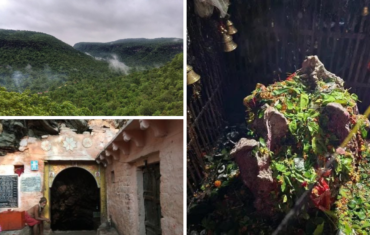
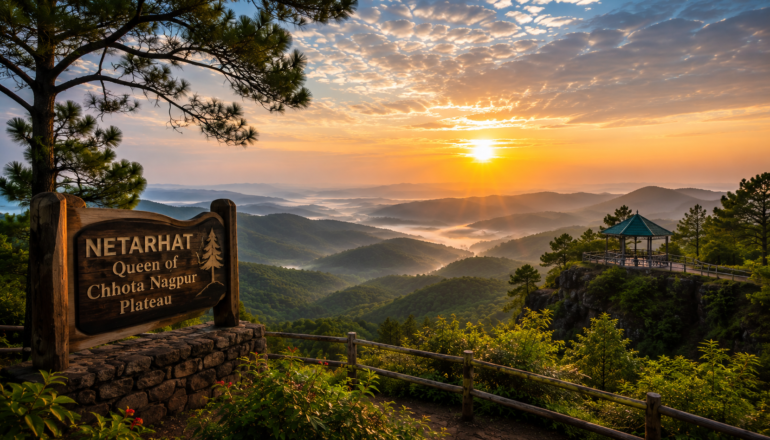
The journey itself became the beginning of the story. As the plains gradually disappeared behind me, winding roads climbed through thick forests and rolling hills. Every curve revealed another breathtaking view until I finally reached Netarhat, lovingly known as the Queen of Chotanagpur. Resting in the Latehar district of Jharkhand, this peaceful hill station welcomed me with cool mountain air, endless greenery, and an unusual silence that instantly felt comforting.
Instead of checking into my accommodation immediately, I wandered through the quiet lanes where smiling villagers greeted strangers as if they were old acquaintances. Small tea stalls became places for long conversations, and every local resident I met proudly shared stories about their homeland. Listening to them taught me that Netarhat is not simply a tourist destination but a treasured part of Jharkhand’s cultural identity, preserved lovingly by generations who continue living close to nature.
One elderly school teacher narrated fascinating stories about the history of Netarhat. During the British era, the pleasant climate attracted colonial administrators who developed this plateau as a summer retreat. Later, the establishment of the famous Netarhat Residential School brought educational recognition alongside its natural beauty. Long before these developments, tribal communities had lived harmoniously with the forests, preserving traditions that continue enriching the region even today.
Situated at an elevation of nearly 1,070 meters above sea level on the Chotanagpur Plateau, Netarhat enjoys a refreshing climate throughout the year. Summers remain pleasantly cool compared to nearby plains, monsoon transforms every hillside into lush green landscapes, while winter mornings arrive wrapped in mist and gentle sunshine. This favorable weather makes Netarhat tourism attractive during every season, especially for travelers seeking peace away from crowded destinations.
Every sunrise felt like watching a masterpiece unfold across the horizon. Magnolia Point offered spectacular sunset views where golden light slowly dissolved behind endless forest-covered valleys. The famous Upper Ghaghri Falls and Lower Ghaghri Falls echoed through dense woods, while nearby Koel View Point opened breathtaking panoramas stretching far beyond imagination. Walking along these forest trails reminded me that nature often creates its finest artwork without expecting applause.
As I explored deeper into surrounding villages, the rhythm of local life became beautifully visible. Tribal communities, particularly the Oraon, Munda, and Birjia people, continue preserving traditions passed down through centuries. Their colorful festivals, folk dances, handcrafted bamboo products, and deep respect for forests reveal a lifestyle where nature is considered family rather than merely a resource. Witnessing this harmony became one of my most memorable travel experiences in Netarhat.
The evenings brought another opportunity to connect with local culture through food. Small family-run eateries served freshly prepared rice, dal, seasonal vegetables, roasted forest mushrooms, bamboo shoot delicacies, and traditional tribal recipes made using locally available ingredients. I also enjoyed Dhuska, Handia in traditional settings where culturally appropriate, and freshly brewed herbal drinks prepared from forest herbs. Every meal carried authentic flavors that reflected simplicity instead of unnecessary richness.
Exploring Netarhat means embracing slow travel. I spent hours walking through pine-lined roads, watching children cycling towards school, listening to birds hidden among towering sal trees, and observing farmers returning home before dusk. Unlike commercial hill stations filled with noise, Netarhat rewards patient travelers with peaceful moments that quietly become lifelong memories. Sometimes doing absolutely nothing here becomes the most meaningful experience of the entire journey.
Reaching Netarhat is surprisingly convenient despite its remote appearance. The nearest major railway stations include Ranchi, Latehar, and Daltonganj, while the closest airport is Birsa Munda Airport in Ranchi. From these locations, regular buses, shared jeeps, taxis, and private vehicles connect travelers to Netarhat through scenic highways. The drive itself becomes an unforgettable part of the adventure as forests gradually replace busy urban landscapes.
Within the town, local transportation remains simple yet practical. Shared jeeps, auto-rickshaws, local taxis, and motorcycles are commonly available for reaching popular viewpoints and nearby attractions. However, walking remains the finest way to experience Netarhat’s peaceful atmosphere. Most sightseeing locations are accessible through short drives followed by pleasant walks, allowing visitors to appreciate the untouched landscapes at an unhurried pace while interacting naturally with local residents.
While planning a visit, I discovered a few valuable lessons worth sharing. Carry warm clothing even during summer evenings, wear comfortable walking shoes, keep sufficient cash since digital payment options remain limited in certain areas, and begin sightseeing early for the best sunrise and sunset views. Respect tribal traditions, avoid littering, and always seek permission before photographing local residents. Responsible travel ensures this beautiful destination remains equally pristine for future generations. As I descended from the hills, I realized I was not carrying souvenirs purchased from crowded markets but memories collected from conversations, forest paths, waterfalls, quiet sunsets, and warm smiles. Netarhat had gently transformed my understanding of travel, proving that remarkable destinations do not compete for attention—they patiently wait to be discovered. Whenever someone asks me about the most peaceful hill station in eastern India, my answer arrives effortlessly: Netarhat, where every journey quietly becomes a lasting story of the heart.